
Ditjen Intram of the Transportation Ministry: Jababeka Provides an Overview of Community Mobility and Transportation Integration Potential
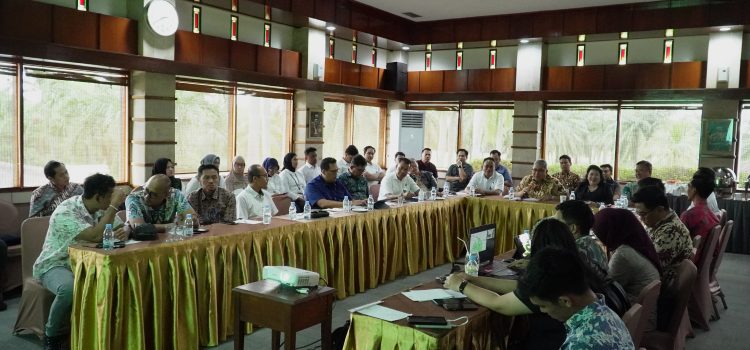
Cikarang, December 2, 2025 – WEST Java Province is one of the regions with a significant contribution to the national economy, with Greater Cikarang in Bekasi Regency being one of its main growth centers. Kota Jababeka, as an independent city based on an industrial area in Cikarang, continues to strengthen its position as the largest industry-based independent city in Southeast Asia while also serving as an important buffer for the metropolitan area. Supported by more than 2,000 national and multinational companies, this area has become a driving force for the economy and national investment.
The rapid economic and population growth in this city and its surroundings has driven the increasing demand for reliable infrastructure, especially transportation modes that can ensure smooth daily mobility. As a hinterland of Jabodetabek, the connectivity of Kota Jababeka with surrounding areas is a crucial factor in ensuring the efficiency of worker and logistics movement.
In an effort to strengthen transportation integration, Kota Jababeka is entering a more concrete stage of development. On November 21, 2025, a field visit was conducted together with officials from the Transportation Ministry and industrial area developers to review the development plans for Bekasi Regency and its surroundings, as well as to ensure the alignment of transportation network integration concepts. This step strengthens coordination between the central and regional governments and the private sector in accelerating the implementation of TOD (Transit Oriented Development) areas, particularly in Kota Jababeka as part of the national strategic area.
In this activity, the Transportation Ministry, through the Directorate General of Transportation Integration and Multimodal (Ditjen Intram), was present to gain an overview of the area’s development, the movement of community mobility, and opportunities to strengthen public transportation services that can support the smooth activities of residents and workers in the Cikarang area. This meeting provided an opportunity for Ditjen Intram to obtain input and field conditions that can be used as a basis for mapping public transportation needs in the region.
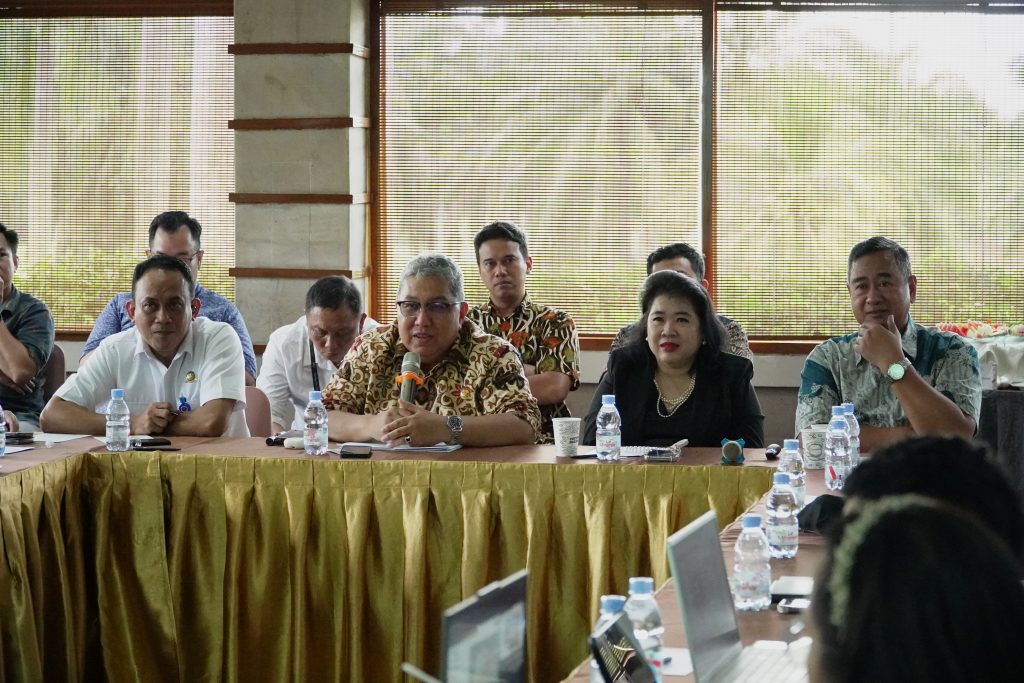
“We appreciate the development of the Jababeka area and the various initiatives that have been undertaken to strengthen accessibility to public transportation services,” said Director General of Transportation Integration and Multimodal, Risal Wasal. “Information regarding community travel patterns, transportation mode developments, and area integration plans is important input for us in mapping mobility needs in the Greater Cikarang area.”
“We see great potential for improving community mobility through the intermodal connectivity that is beginning to be established in Jababeka City. We are open to continuing technical discussions with local governments and area stakeholders to explore opportunities for future synergy, if needed,” added Risal.
For your information, this audience also serves as a forum for exchanging information between the central government, regional governments, and area managers, discussing the dynamics of community mobility as well as opportunities to strengthen connectivity in the future.
Current academic studies note that around 770 thousand daily trips occur in Greater Cikarang, with 46% of them originating from or destined for Jababeka. This data underscores the strategic role of Jababeka City as a center for population and industrial expansion, while also highlighting the urgency of a more integrated transportation system.
Responding to an audience visit from the Ditjen Intram of the Transportation Ministry, Jababeka continues to strengthen the development of self-sufficient cities through the Transit-Oriented Development (TOD) concept. The refinement of this concept is expected to create a more efficient, accessible, and integrated mobility system for residents, workers, and business actors.
“The implementation of the TOD concept in Kota Jababeka is a strategic step in building a future-oriented city,” said Ivonne Anggraini, President Director of PT Graha Buana Cikarang. “We are committed to creating an integrated, inclusive, and sustainable urban ecosystem, so that Kota Jababeka not only becomes a center of industrial growth, but also a model of a modern self-sufficient city capable of competing at both regional and global levels.”
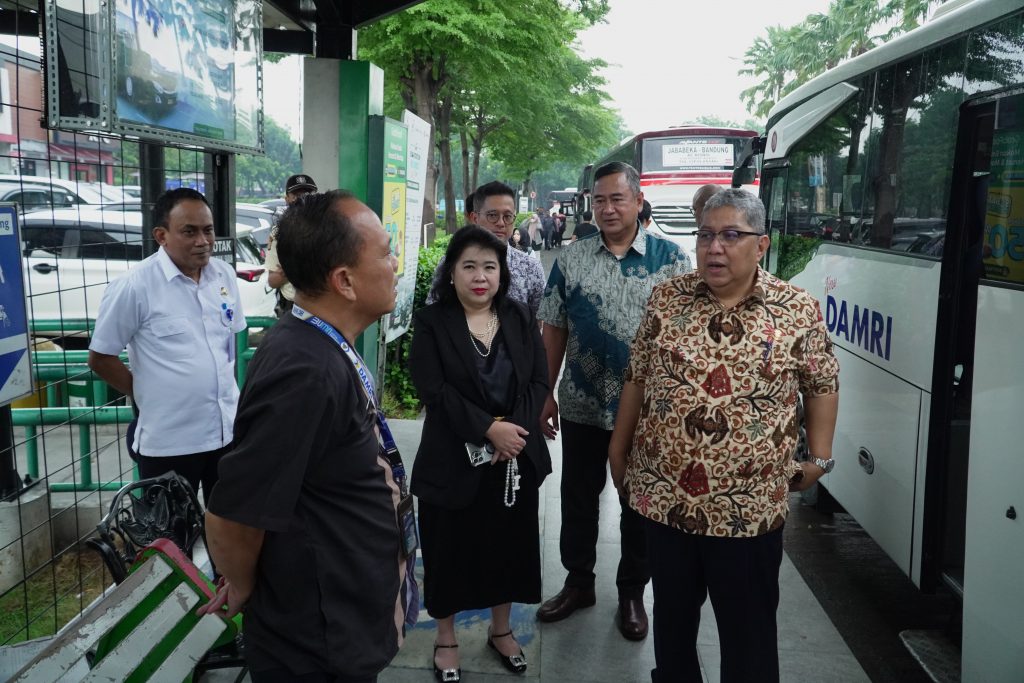
He also emphasized that the development of the area’s infrastructure cannot be carried out partially. “Through the development of an integrated infrastructure system and the expansion of the mass transportation network, we open up opportunities for strategic collaboration with the government as well as other private industry players. This multi-party partnership is key to providing transportation modes that are adaptive, integrated, and sustainable—so that Jababeka can accommodate long-term mobility needs and the dynamics of regional growth.”
Currently, Kota Jababeka is supported by various modes of public transportation that facilitate community mobility, such as the AO Shuttle, which serves several strategic points in Jakarta—including the latest Hollywood Junction–AEON Deltamas route—as well as DAMRI services on the Jababeka–Soekarno-Hatta Airport route and Primajasa on the Jababeka–Bandung route. Regional integration is also strengthened by the modern Swatantra S01 feeder service with the Cikarang Station–President University–Kota Jababeka route. The presence of the Cikarang KRL and BISKITA services connected to the LRT further enhances the accessibility of the area.
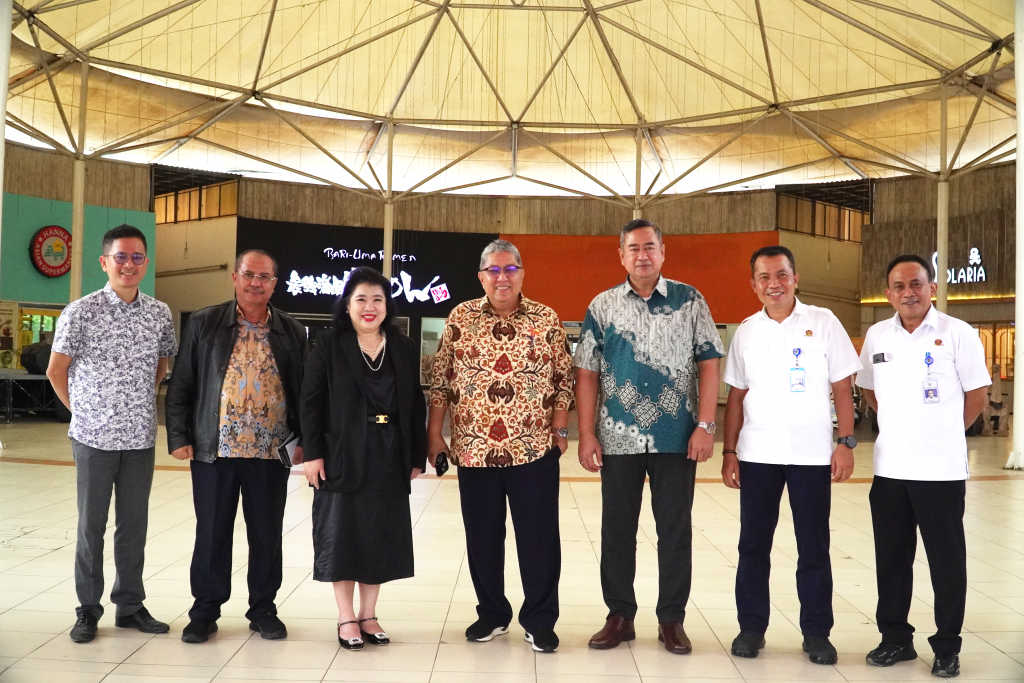
On the other hand, the development of large-scale transportation infrastructure, such as the MRT Phase III Cikarang–Balaraja project and the expansion of the Commuter Line from Cikarang to Cikampek, will serve as vital links in the regional mobility system and accelerate east–west corridor movement in Jakarta.
From a business operational perspective, Kota Jababeka is supported by well-developed infrastructure within the area. Cikarang Dry Port functions as an integrated logistics center that enhances supply chain efficiency and facilitates distribution processes. Kota Jababeka’s strategic location—close to Patimban Port and Kertajati Airport—provides added value for companies that require fast and sustainable distribution access.